

Gut Health in Winter: How to Maintain a Healthy Digestive System During Cold Months
- gastrochddrsandeep
- Jan 8
- 2 min read

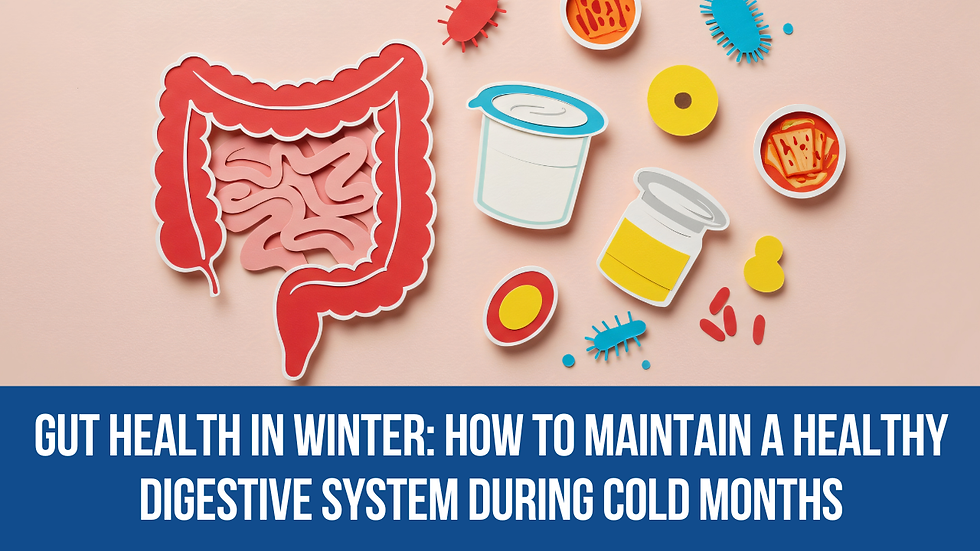
Gut Health in Winter
Winter brings cozy evenings, warm foods, and heavy meals — but it can also challenge your digestive system. Many people in Chandigarh, Mohali, Panchkula, and nearby regions experience constipation, bloating, acidity, and stomach cramps during colder months. These seasonal issues require attention to maintain a healthy gut and avoid more serious gastrointestinal problems.
Why Digestion Is Affected in Winter
During winter, the body naturally slows down to conserve energy. This can lead to:
Slower metabolism
Reduced gut motility
Increased intake of oily, spicy, and heavy foods
Lower physical activity
Dehydration due to warm indoor environments
All these factors can worsen constipation, acidity, and bloating, making people more prone to gastric flare-ups.
Common Winter Digestive Problems
Some issues people frequently notice in cold months:
Constipation
Heartburn and acidity
Indigestion after heavy meals
Increased gas and bloating
Stomach cramps and discomfort
Tips to Maintain Gut Health in Winter
1. Hydrate Adequately
Even in winter, drink plenty of water. Warm fluids like herbal teas can help digestion and prevent constipation.
2. Eat Seasonal Vegetables & Fruits
Include fibrous vegetables like carrots, cabbage, beetroot, and fruits like oranges, pomegranate, and apples. These help improve gut motility and prevent bloating.
3. Incorporate Probiotics
Curd, yogurt, and fermented foods help maintain healthy gut bacteria and prevent gastrointestinal infections.
4. Avoid Heavy and Fried Foods
Winter cravings often lead to deep-fried snacks. These are hard to digest and can increase acidity and liver workload.
5. Exercise Regularly
Gentle walks, yoga, or stretching help stimulate digestion and maintain overall metabolic health.
6. Mind Your Meal Timings
Avoid eating late at night, as cold nights with heavy meals can increase acidity and heartburn.
7. Manage Stress
Stress affects digestion, making winter digestive problems worse. Meditation, deep breathing, and light physical activity can help.
When to See a Gastroenterologist
If you notice persistent symptoms like:
Severe abdominal pain
Chronic constipation
Blood in stool
Vomiting or nausea
Frequent acidity
It’s time to consult a specialist.
FAQs
Q1: Why is constipation common in winter?Slower metabolism and less water intake lead to harder stools.
Q2: Can cold drinks worsen digestion in winter?Yes, cold drinks can slow digestion further and cause bloating.
Q3: Are herbal teas good for gut health?Yes, ginger, peppermint, and fennel teas aid digestion and reduce gas.
Q4: How can I reduce acidity in winter?Eat light meals, avoid late-night eating, and reduce fried foods.
Q5: Is it okay to eat seasonal sweets?Moderation is key. Excess sugar can worsen bloating and acidity.
Final Thoughts
Winter is a beautiful season, but it can be tough on your gut. By following seasonal dietary tips, staying hydrated, exercising, and managing stress, you can maintain a healthy digestive system and prevent discomfort.
For personalized care and effective treatment of acidity, constipation, or other digestive issues, consult Dr. Sandeep Pal, Gastroenterologist in Chandigarh.
📍 Clinic Address: SCO 26, First Floor, Sector 33D, Chandigarh — 160020📞 Appointment: 98777 06034🌐 Website: www.drsandeeppal.com
Comments